


Evaluating a compression sock manufacturer requires more than comparing a quotation and a gallery of finished products. Buyers need evidence that the supplier operates a real manufacturing site, can translate a brief into an approved reference and has a disciplined way to control production and documentation.
Evaluate each claim against a facility, a process, a defined scope or a current record. A factory image alone does not explain development capability, and a certificate name alone does not explain who holds it or what it covers.
Can the supplier show a real manufacturing site?
A credible manufacturer should be able to identify its operating company and manufacturing location. Current factory photographs and video can help a buyer understand the production environment, but they should be consistent with the company information and the work being discussed.
Look for evidence across the site rather than one carefully framed image: production floor views, knitting machinery, equipment areas, work in progress and a clear location. The company identity, address and visible production environment should describe the same operation.
For higher-risk or larger programs, buyers may also use an audit, visit or qualified third party as appropriate. Public website evidence is a starting point, not a substitute for the level of due diligence required by the project.
How does the manufacturer handle product development?
Ask how a product moves from brief to sample. The manufacturer should be able to explain which inputs are needed, how open questions are resolved and how sample feedback is recorded. A development process should address construction, materials, sizing, branding and packaging as relevant to the product.
The quality of the questions matters. A team that asks about the target wearer, size logic, required features and reference priorities is more likely to understand the brief than one that immediately treats every inquiry as a price request. Buyers should also identify who owns approvals on their side so feedback remains controlled.
Is there a defined sampling and reference approval process?
Sampling should lead to an identifiable approved reference. The buyer and factory need to know which version is final, which changes were accepted and which supporting instructions apply. This reference becomes the basis for production and inspection.
Ask how the supplier prevents an earlier sample or outdated artwork from becoming the production instruction. Version discipline is a practical indicator of manufacturing control. It does not need to be presented as a complicated system, but it should be clear enough that the teams can trace the current decision.
What does quality control mean at the factory?
Quality control should be described through actual checkpoints, not only through the word “quality.” For hosiery, relevant checks may occur during manufacturing, finishing, pairing, final inspection and packing. The exact criteria depend on the approved product and project requirements.
Buyers should ask what the output is checked against, how issues are recorded and what happens when the result does not match the reference. Traceability begins with a controlled specification and approval; inspection cannot compensate for an undefined target.
Ask the supplier to map its checkpoints from development and sampling through manufacturing, finishing, inspection and packing. This gives the buyer a concrete basis for follow-up questions.
How should certification and registration records be checked?
Read each record by its exact type, holder, number, scope and validity. A facility certificate does not automatically apply to every product, material or shipment. Scope certificates may require a relevant Transaction Certificate for product-specific claims. Registration and device listing are not the same as certification or approval.
Request the current record and confirm which document is relevant to the proposed product and delivery. Where a product-specific supporting record is required, a facility-level document alone is not sufficient.
What communication practices support production?
Good communication turns decisions into controlled instructions. The manufacturer should summarize open points, distinguish recommendations from confirmed requirements and connect changes to the correct sample or specification version. The buyer should provide consolidated feedback and identify any market-specific requirements it owns.
Responsiveness matters, but speed alone is not proof of control. A careful answer that identifies a missing decision can protect the project better than an immediate promise. Procurement teams should evaluate whether communication remains precise when a question involves scope, documentation or a trade-off.
Compression Sock Manufacturer Evaluation Checklist
Use the checklist below to organize supplier evidence and follow-up questions. The depth of review should match the product and the buyer’s risk requirements.
Company & Factory
- Legal company identity
- Manufacturing address
- Current factory images or video
- Whether key processes are in-house or subcontracted
Product Development
- Required buyer inputs
- Sampling process
- Approval ownership
- Revision control
Quality
- What production is checked against
- Inspection checkpoints
- How nonconforming output is handled
- Final packing verification
Documentation
- Certificate holder
- Certificate or registration number
- Scope
- Validity
- Whether a product-specific Transaction Certificate or other supporting record is required
Communication
- Who confirms revisions
- How open issues are tracked
- How destination-market requirements are assigned
ARKSocks: Public Evidence Available
The following ARKSocks evidence is published separately from the vendor-neutral checklist above. Buyers should confirm which record is relevant to their proposed product and delivery.
- Zhejiang Ark Industry Co., Ltd.
- Manufacturing site operated in Zhuji, Zhejiang, China
- Current factory media showing the production environment
- Published manufacturing process from development and sampling through packing
OEKO-TEX® STANDARD 100
Current certification
- Holder
- Zhejiang Ark Industry Co., Ltd.
- Record
- SHGO 067631
- Scope
- Socks and compression socks; Product Class I — Baby Articles, Annex 6
- Validity
- Valid through March 31, 2027
Scope includes socks and compression socks covered by the certificate.
U.S. FDA Establishment Registration & Device Listing
Registered / Listed · Fiscal Year 2026
- Holder
- ZHEJIANG ARK INDUSTRY CO., LTD.
- Record
- 3012482066
- Scope
- Compression Socks; Diabetic Socks · Product Code FQL
- Validity
- Registration expiration: December 31, 2026
Roles: Manufacturer, Contract Manufacturer and Foreign Exporter.
This record describes establishment registration and device listing status only.
GOTS Scope Certificate
Current scope certificate
- Holder
- Zhejiang Ark Industrial Co., Ltd
- Record
- BVC-GOTS-BVCN1026-GOTS-2509-50000418-V1.0
- Scope
- Socks / hosiery · Knitting · Manufacturing
- Validity
- Valid through September 23, 2026
Product-specific certification is supported by the applicable Transaction Certificate (TC).
GRS & OCS Scope Certificate
Current scope certificate
- Holder
- Zhejiang Ark Industrial Co., Ltd.
- Record
- BVC-TE-00063921-MULTI-2607-50010082-V1.0
- Scope
- Socks / hosiery · Knitting · Manufacturing
- Validity
- Valid through July 23, 2027
Product-specific GRS / OCS certification is supported by the applicable Transaction Certificate (TC).
FACTORY MEDIA
See the manufacturing environment.
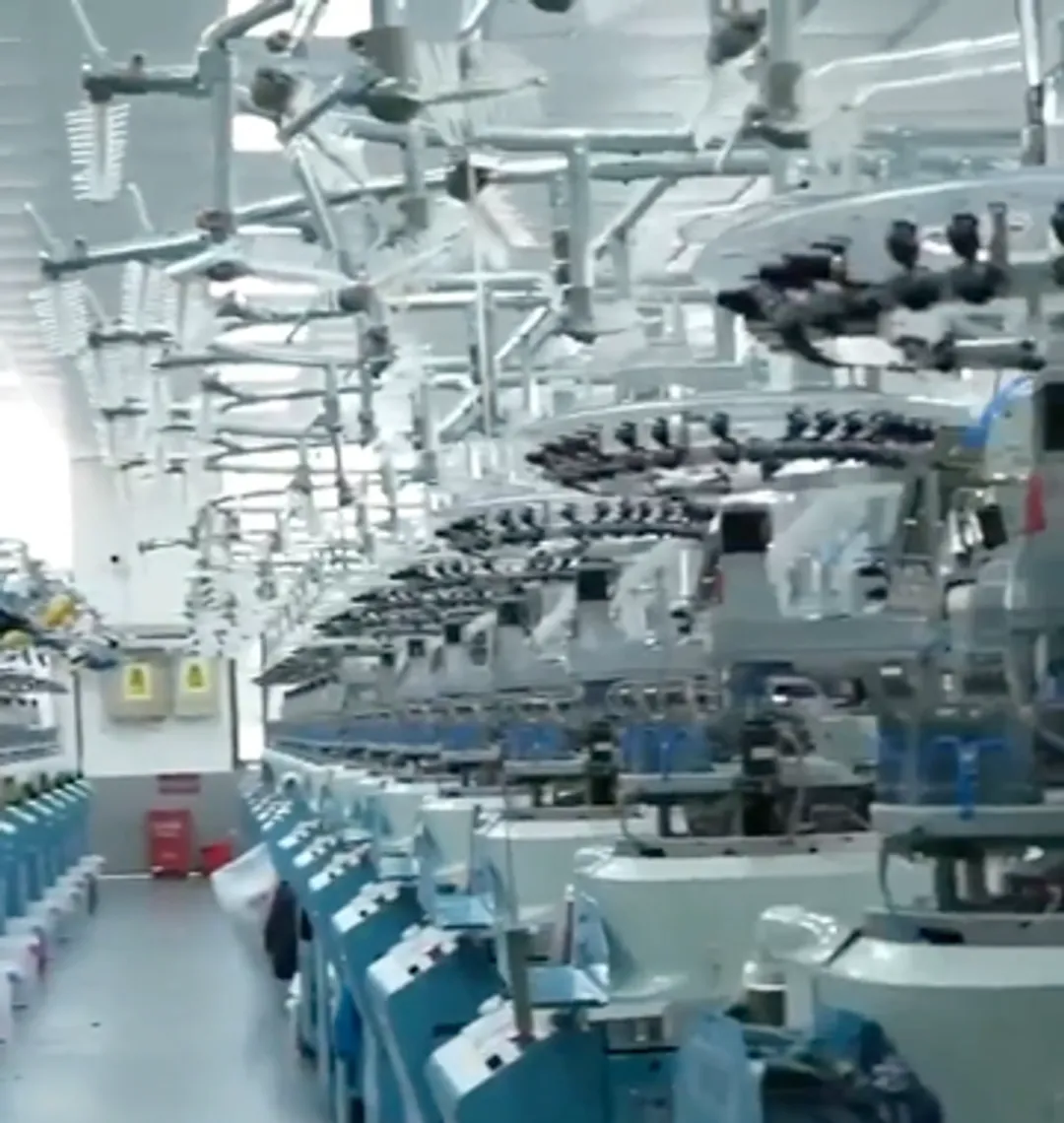
EPISODE 001 · Factory Introduction
Factory Introduction
A broader look at the ARKSocks factory, its production spaces and daily manufacturing work.
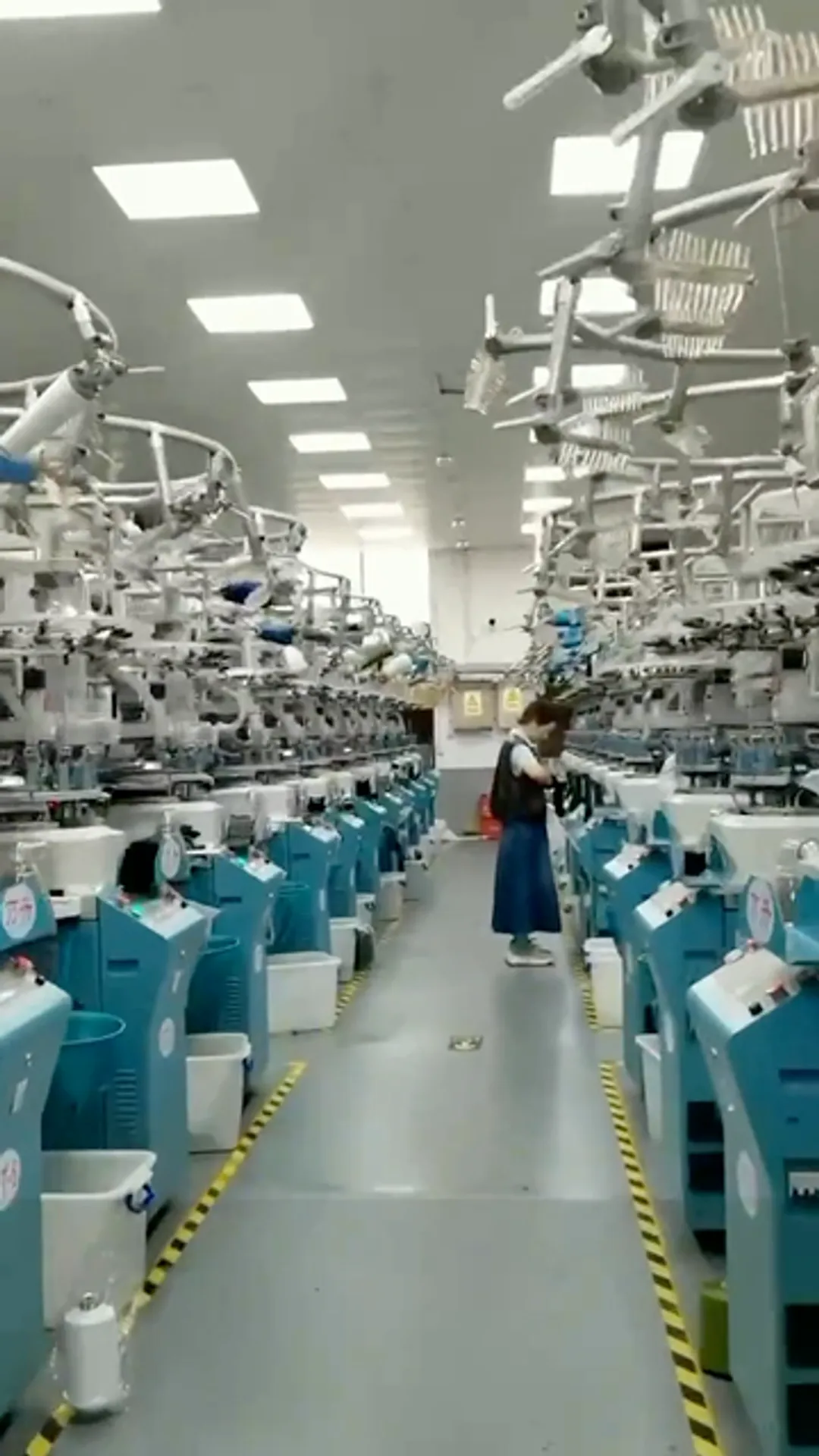
EPISODE 002 · Behind the Scenes
On the Factory Floor
A brief behind-the-scenes moment from the ARKSocks production floor.
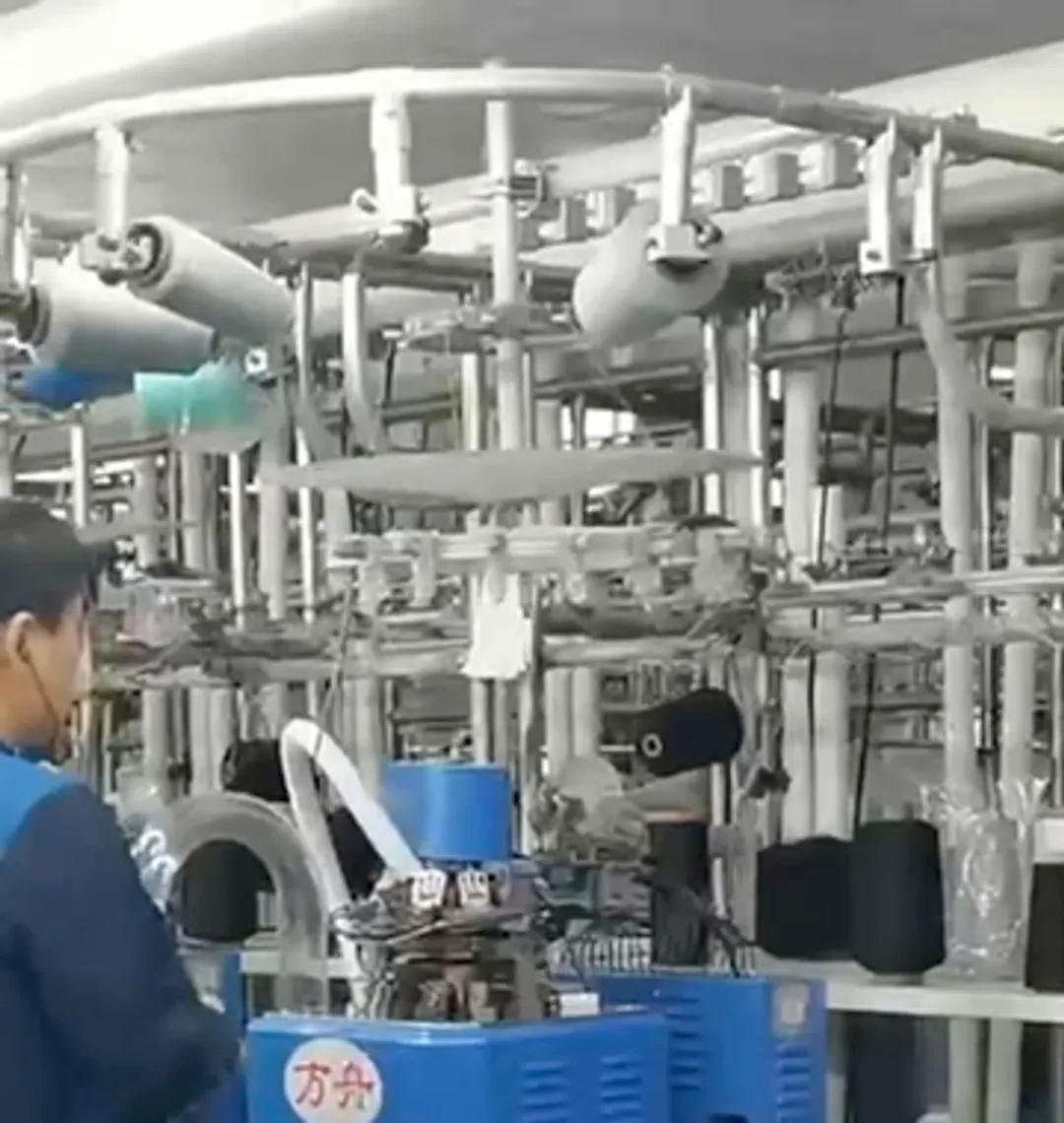
EPISODE 003 · Knitting Floor
Our Knitting Floor
A look across active machines and day-to-day work on the ARKSocks knitting floor.
FAQ
Practical questions
Is a certificate logo enough to verify a manufacturer?
No. Check the record type, holder, number, scope, validity and issuing or verification source. Confirm whether it applies to the facility, process, material or specific product.
Why is an approved reference important for supplier evaluation?
It shows how the supplier connects product development with production and gives inspection a defined basis.
Does FDA registration mean a manufacturer is FDA certified?
No. Establishment registration and device listing should be described as registration and listing, not as FDA certification or approval.
ABOUT ARKSOCKS
Zhejiang Ark Industry Co., Ltd.
Zhuji, Zhejiang, China
Manufacturing hosiery since 2003.